






![Cal Carmichael starting for Carmel last season. Carmichael said he wants to do everything he can to help the team win every time he steps on the mound. [Submitted: Cal Carmichael]](https://hilite.org/wp-content/uploads/2026/04/Screenshot-2026-04-13-3.40.48-PM.png)



















![Review: Project Hail Mary is a visually stunning film filled with deep emotion, humor and a heartfelt partnership [MUSE]](https://hilite.org/wp-content/uploads/2026/05/PHM2-2.jpg)
![Review: “Iron Lung” exemplifies the success of suspense [MUSE]](https://hilite.org/wp-content/uploads/2026/04/IronLung-1200x675.webp)
![Review: New F1 regulations prove to be anything but boring [MUSE]](https://hilite.org/wp-content/uploads/2026/04/2-1-1200x675.avif)
![“‘Wuthering Heights’” wasn’t a bad movie—it just wasn’t anything like the book [MUSE]](https://hilite.org/wp-content/uploads/2026/02/wutheringh-960x1200.webp)
![Review: Season 5 of “Stranger Things" delivered the perfect ending despite major mistakes [MUSE]](https://hilite.org/wp-content/uploads/2026/01/ems-810x1200.jpg)
![Review: “Zootopia 2” is a stunning and engaging sequel that elevates the universe [MUSE]](https://hilite.org/wp-content/uploads/2025/12/bjUWGw0Ao0qVWxagN3VCwBJHVo6-800x1200.jpg)
![Review: I have no critiques: “Demon Slayer: Infinity Castle” is amazing [MUSE]](https://hilite.org/wp-content/uploads/2025/12/MV5BOGQ3YWUzYjEtMTJiYy00ZjQ0LWI0YjktYjhiNGVhNGExYTM3XkEyXkFqcGc@._V1_FMjpg_UX1000_-797x1200.jpg)
![Review: Learning to say “I” with “The Fountainhead” [MUSE]](https://hilite.org/wp-content/uploads/2025/12/The_Fountain_Head_1943_1st_ed_-_Ayn_Rand.jpg)
![Review: Java House Fall Menu [MUSE]](https://hilite.org/wp-content/uploads/2025/12/Screenshot-2025-12-01-at-15.10.19-1200x618.png)
![Review: "When I Fly Towards You", cute, uplifting youth drama [MUSE]](https://hilite.org/wp-content/uploads/2023/09/When-I-Fly-Towards-You-Chinese-drama.png)
![Postcards from Muse: Hawaii Travel Diary [MUSE]](https://hilite.org/wp-content/uploads/2023/09/My-project-1-1200x1200.jpg)






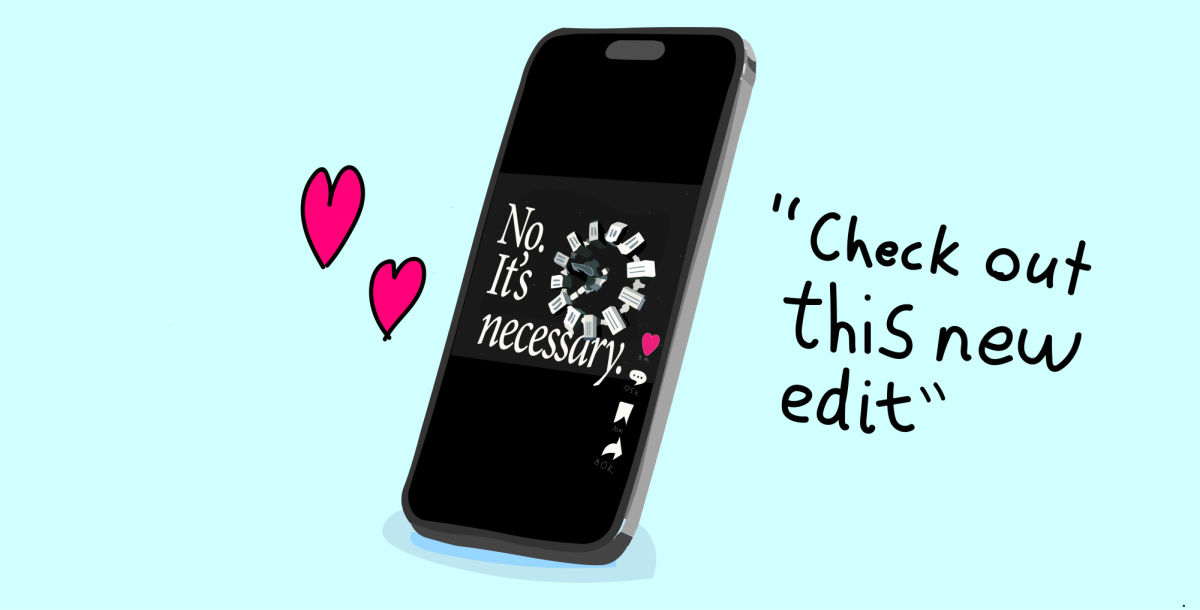
Walk through the halls before first block and you see students scrolling everywhere. Between classes and during lunch, social media fills almost every spare second. While it has become normalized, it isn’t harmless.
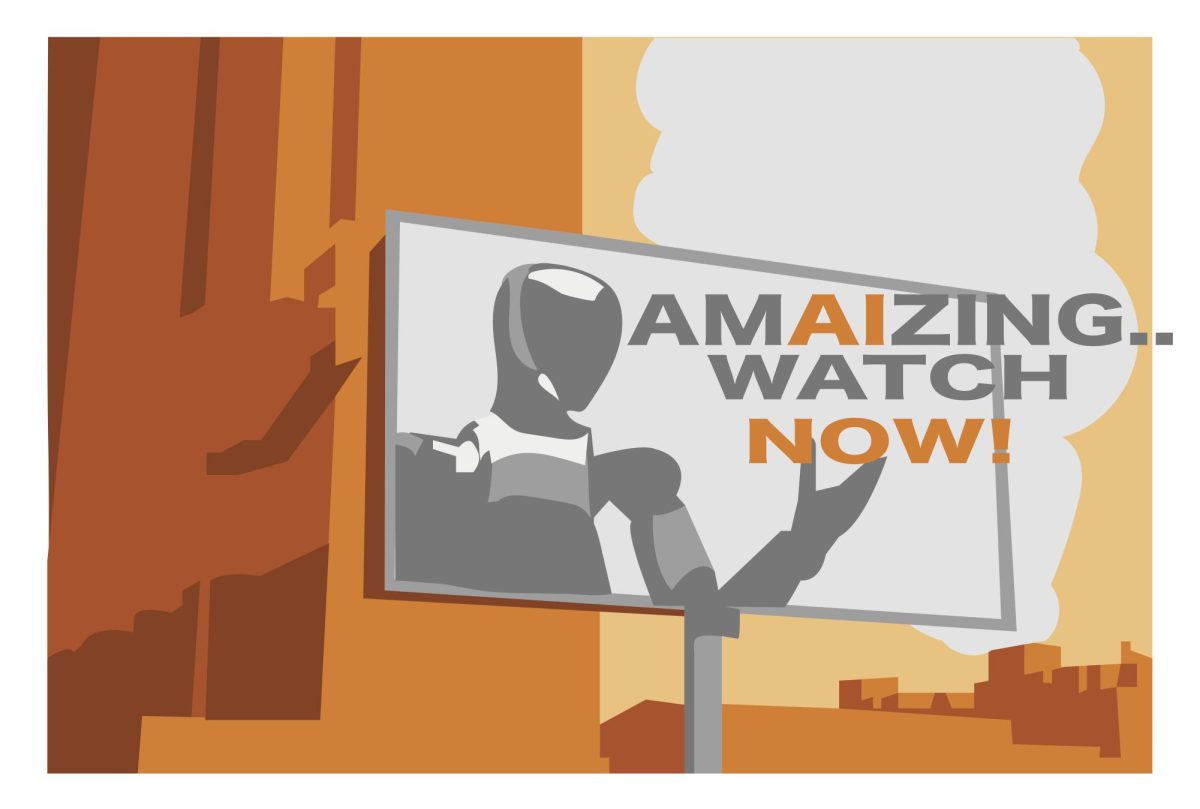
Recently, Australia passed legislation banning social media accounts for anyone under 16, and several European countries are considering similar restrictions. While this measure might sound extreme, the reasoning behind it reflects growing global concern about teen mental health, productivity and online safety. The United States should seriously consider following that lead.
The connection between social media and teen mental health is no longer speculation. According to a 2023 advisory from the U.S. Surgeon General, adolescents who spend more than three hours per day on social media face double the risk of experiencing symptoms of anxiety and depression. That statistic alone should raise alarms. For many teenagers, social media isn’t just a communication tool; it has evolved into a means of comparison. Likes, follower counts and heavily edited media create unrealistic standards about appearance, popularity and success, especially during a stage of life when identity is still forming.
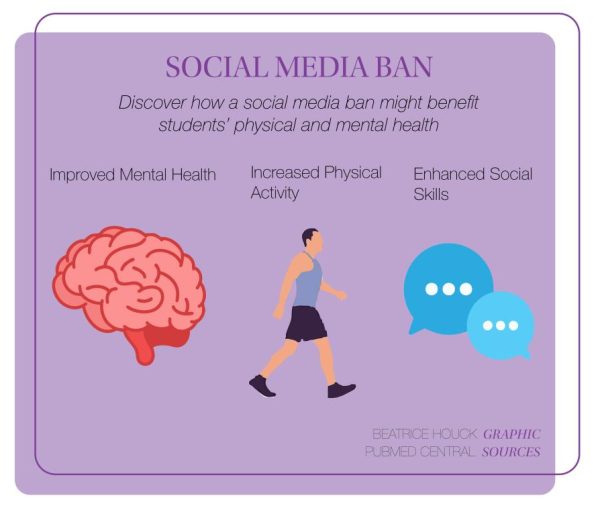
Beyond mental health, there is also the issue of focus. Social media platforms are intentionally designed to maximize engagement. Notifications, doomscrolling and algorithm-driven recommendations activate dopamine reward systems in the brain, making it difficult to disconnect. Even short interruptions from your phone can negatively impact productivity. Some even compare getting a notification to the same happy feeling gamblers get at the sight or sound of a poker machine. Our brains are still developing, especially in areas related to impulse regulation and long-term decision-making.
There are also safety concerns. Cyberbullying, exposure to inappropriate content and/or harmful online trends spread rapidly through social platforms. While parents and schools try to monitor usage, the speed and scale of content distribution can make complete. Constant protection is almost impossible. A 12- 13- or 14-year old watching viral challenges or online harassment doesn’t have the maturity to understand and manage those risks alone.
Some might argue that banning social media infringes on personal freedom or that teens will find ways around restrictions. However, age-based limits already exist in many aspects of society. Young people can’t vote, purchase alcohol or sign certain legal contracts, and this is because policymakers recognize that teenagers aren’t fully mature yet. Setting boundaries for social media use follows the same logic: protection during our early years. A restriction doesn’t mean zero communication. Teens could still text, call and interact with friends and peers.
We need to acknowledge that the digital landscape is evolving faster than we can track. When evidence shows risks to mental health and productivity, drawing boundaries is not overreaction, but responsibility. The question is no longer whether social media affects teenagers when it clearly does. The real question is whether we are willing to act on what research is telling us.
The views in this column do not necessarily reflect the views of the HiLite staff. Reach Anoushka Jena at [email protected].