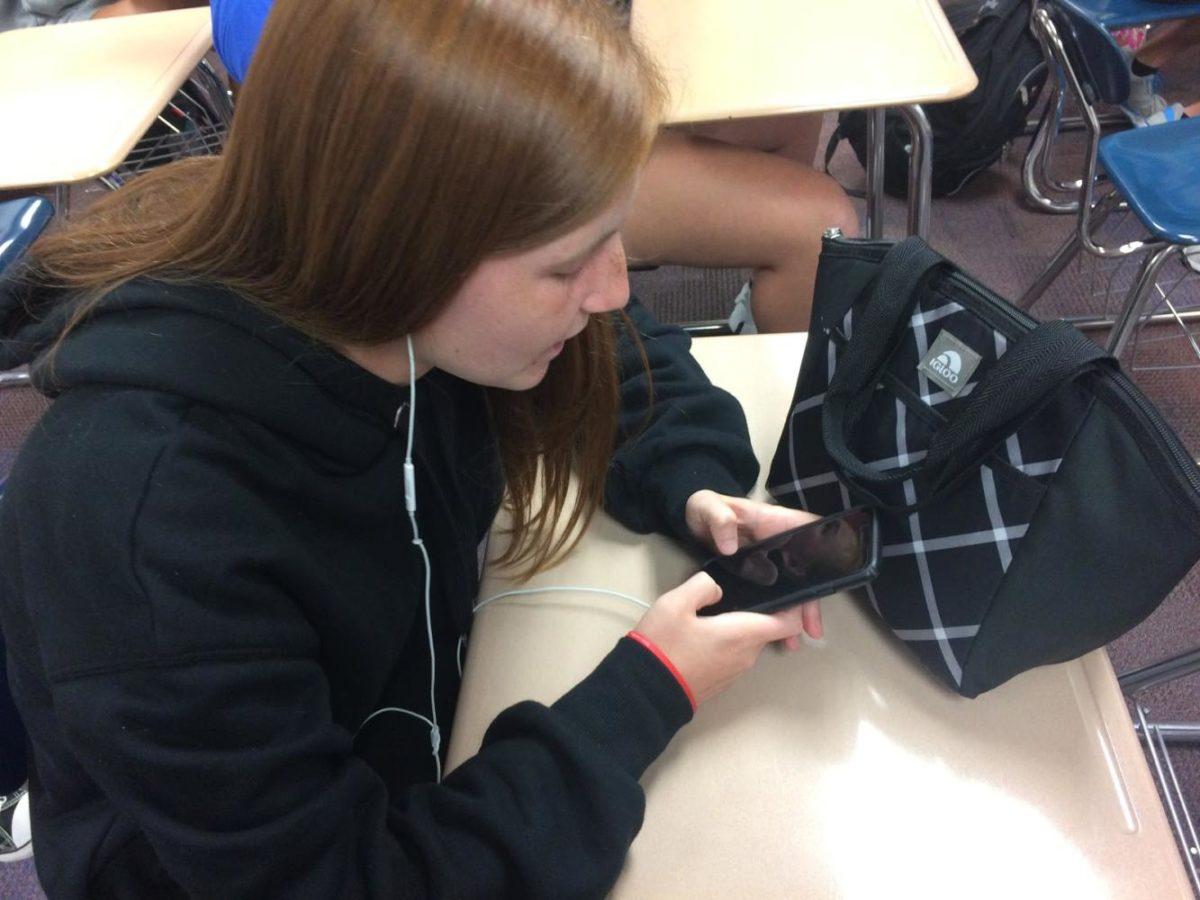
Senior Sarah McDanell uses the Canvas app to
look at files for her AP Statistics class. She said although not all her teachers used Google Classroom, she liked the layout and prefers it to Canvas.
At the Carmel Clay Schools Board Workshop on Sept. 11, it was decided the district would engage in a K-12 science program evaluation, according to Superintendent Nicholas Wahl. With the new standards, there is “more hands on learning through exploration, investigation and design,” along with “student-led inquiry and discussion.” Also included is students writing journals, reports, posters and multimedia presentations and reading multiple resources, research and summaries of information.
Wahl said they are also continuing with their second year of implementing the technology integration plan, which includes the district-wide use of Canvas. Senior Sarah McDanell said she preferred Google Classroom to Canvas.
McDanell said, “I like Google Classroom the most. Our school uses [Google Drive] and by having everything through Google, it was easier to upload materials for classes.”
Related Posts:
- Students, teacher discuss perception of space exploration For junior Amelia Arterburn, space exploration holds a certain intrigue. She took the astronomy class this school offers because of her interest in the night sky and the space beyond. “When I was younger, I loved looking at the stars,”…
- Staff Editorial: CHS should take a stance against AI posters, graphics On April 27, Carmel Clay Schools posted a video on its Instagram asking seniors how the art department had impacted them, highlighting the strengths of the art program at this school and the diverse skillset it’s produced. Yet, when it…
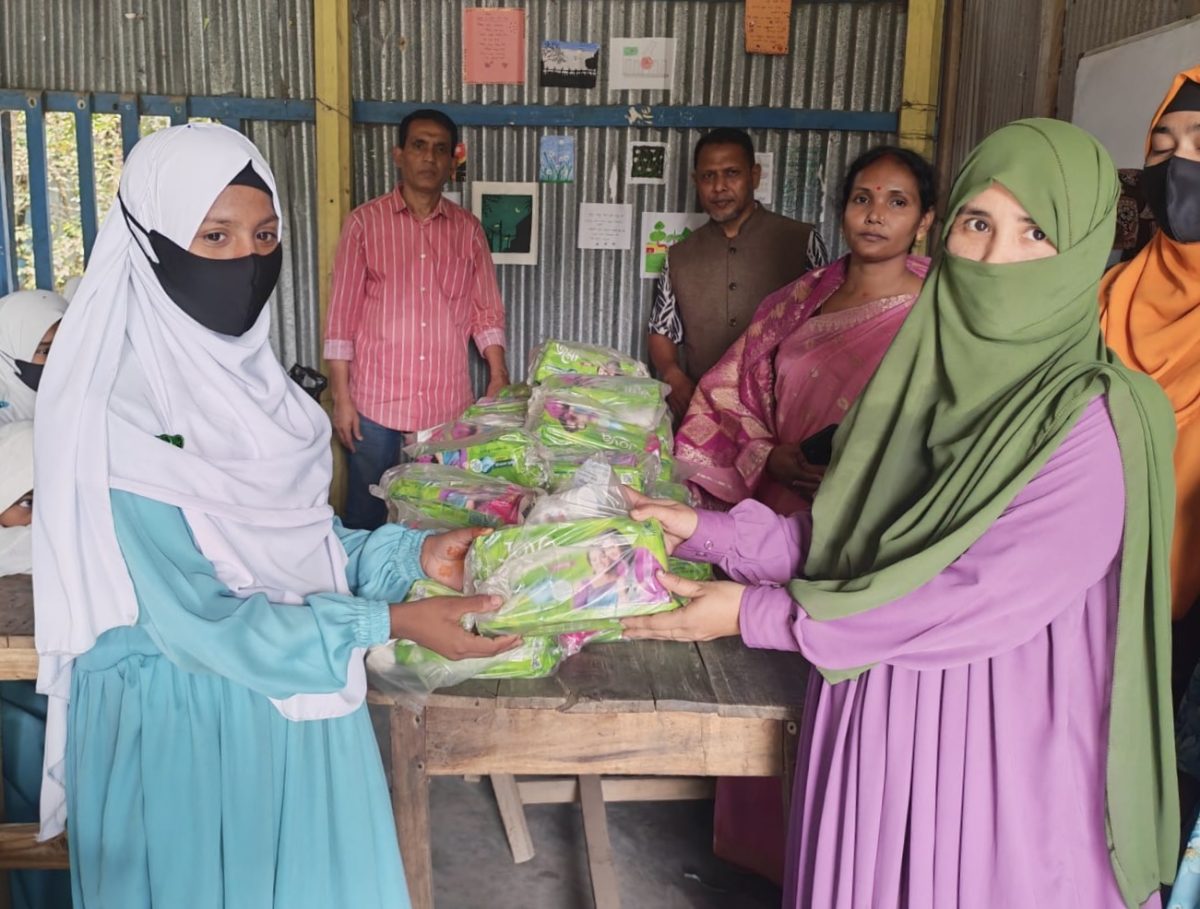
- Q&A With Senior Zaina Khan on non-profit MpowerHer What is MpowerHer, and why did you create it? MpowerHer is a nonprofit volunteering organization that provides girls in Bangladesh with access to education and resources regarding hygiene, health and lifestyle choices. I created it because, through my other volunteering…














![Cal Carmichael starting for Carmel last season. Carmichael said he wants to do everything he can to help the team win every time he steps on the mound. [Submitted: Cal Carmichael]](https://hilite.org/wp-content/uploads/2026/04/Screenshot-2026-04-13-3.40.48-PM.png)
















![Review: Project Hail Mary is a visually stunning film filled with deep emotion, humor and a heartfelt partnership [MUSE]](https://hilite.org/wp-content/uploads/2026/05/PHM2-2.jpg)
![Review: “Iron Lung” exemplifies the success of suspense [MUSE]](https://hilite.org/wp-content/uploads/2026/04/IronLung-1200x675.webp)
![Review: New F1 regulations prove to be anything but boring [MUSE]](https://hilite.org/wp-content/uploads/2026/04/2-1-1200x675.avif)
![“‘Wuthering Heights’” wasn’t a bad movie—it just wasn’t anything like the book [MUSE]](https://hilite.org/wp-content/uploads/2026/02/wutheringh-960x1200.webp)
![Review: Season 5 of “Stranger Things" delivered the perfect ending despite major mistakes [MUSE]](https://hilite.org/wp-content/uploads/2026/01/ems-810x1200.jpg)
![Review: “Zootopia 2” is a stunning and engaging sequel that elevates the universe [MUSE]](https://hilite.org/wp-content/uploads/2025/12/bjUWGw0Ao0qVWxagN3VCwBJHVo6-800x1200.jpg)
![Review: I have no critiques: “Demon Slayer: Infinity Castle” is amazing [MUSE]](https://hilite.org/wp-content/uploads/2025/12/MV5BOGQ3YWUzYjEtMTJiYy00ZjQ0LWI0YjktYjhiNGVhNGExYTM3XkEyXkFqcGc@._V1_FMjpg_UX1000_-797x1200.jpg)
![Review: Learning to say “I” with “The Fountainhead” [MUSE]](https://hilite.org/wp-content/uploads/2025/12/The_Fountain_Head_1943_1st_ed_-_Ayn_Rand.jpg)
![Review: Java House Fall Menu [MUSE]](https://hilite.org/wp-content/uploads/2025/12/Screenshot-2025-12-01-at-15.10.19-1200x618.png)
![Review: "When I Fly Towards You", cute, uplifting youth drama [MUSE]](https://hilite.org/wp-content/uploads/2023/09/When-I-Fly-Towards-You-Chinese-drama.png)
![Postcards from Muse: Hawaii Travel Diary [MUSE]](https://hilite.org/wp-content/uploads/2023/09/My-project-1-1200x1200.jpg)